
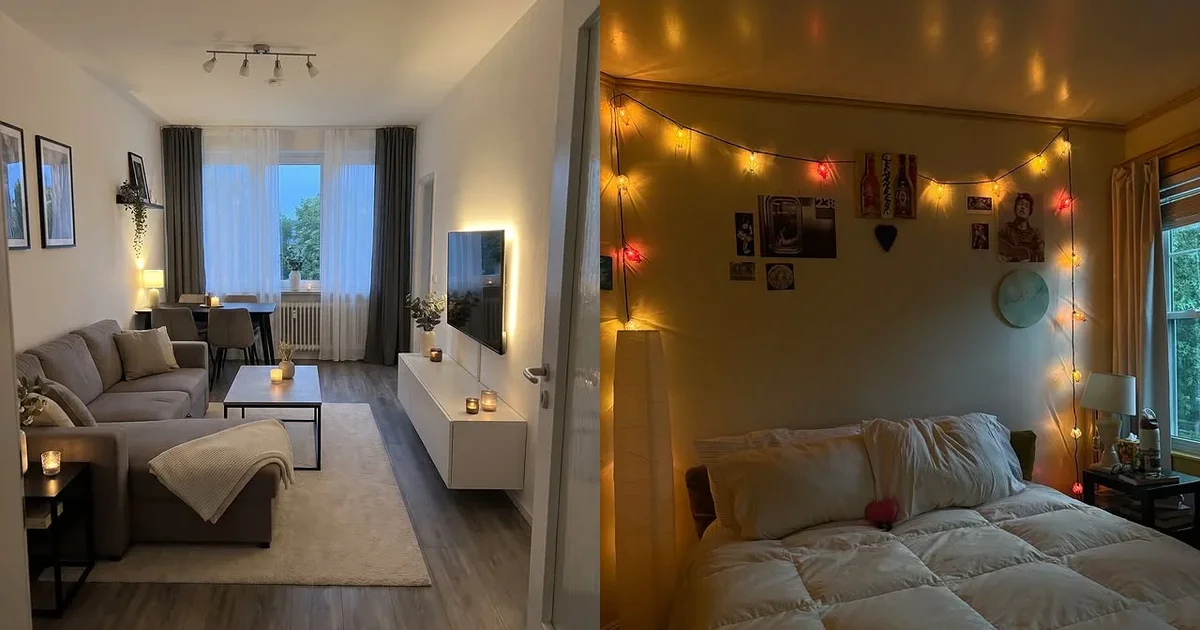
23 Dreamy Cozy Studio Apartment Aesthetic Ideas to Try
A studio apartment asks one room to do everything, and the dreamy ones do it softly. Pale walls, warm light, soft textures and a few thoughtful corners can make even the smallest floor plan feel like a place you want to come home to.
These 23 dreamy studio apartment decor ideas cover light, bedding, storage, color and small corners, so you can start with one change or layer several together. Most need nothing more than a string of lights, a new throw or a better lamp.
Soft Neutral Palette
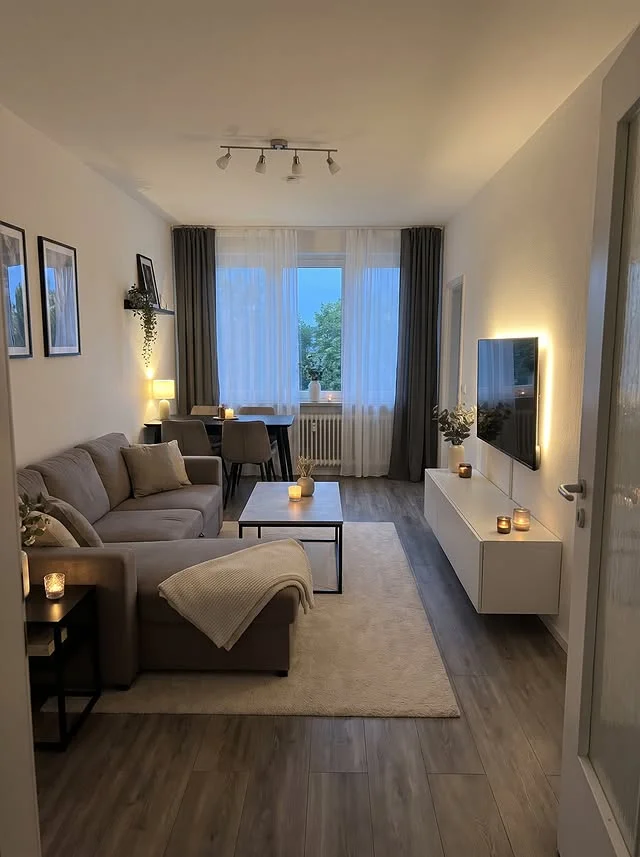
A soft neutral palette is the base every dreamy studio needs. Beige, cream and warm grey make the walls disappear a little, so the room reads bigger than it is, and every cushion or plant you add later has a calm backdrop to sit against.
- Pick three neutrals and repeat them: one for walls, one for the sofa, one for textiles.
- Keep the largest pieces pale and let the small pieces carry the color.
- Use warm white bulbs, since cool light turns beige grey.
- Add one dark item per corner so the pale room keeps its shape.
Neutrals also forgive a mixed set of furniture, which matters in a first apartment where nothing matches yet. Start pale, then add color one piece at a time.
Layered Warm Lighting
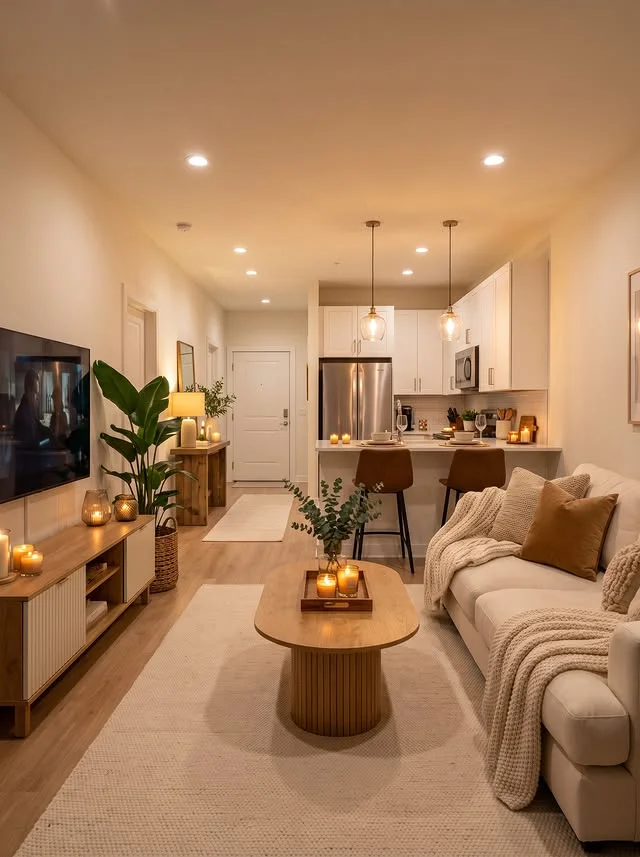
One ceiling light flattens a studio, while three warm sources make it glow. A floor lamp by the sofa, a small lamp on a side table and a string of lights over the bed give the room different moods through the day, and the warm tone is what makes it feel dreamy rather than bright.
- Use warm white bulbs around 2700K in every fitting.
- Put the main light on a dimmer so evenings feel soft.
- Place one lamp low, near the floor, for a gentle evening pool of light.
- Keep cables hidden behind furniture so the glow looks effortless.
Light is the cheapest way to change how a studio feels. Change the bulbs first, add one lamp, and only then think about repainting.
Cozy Textured Bedding
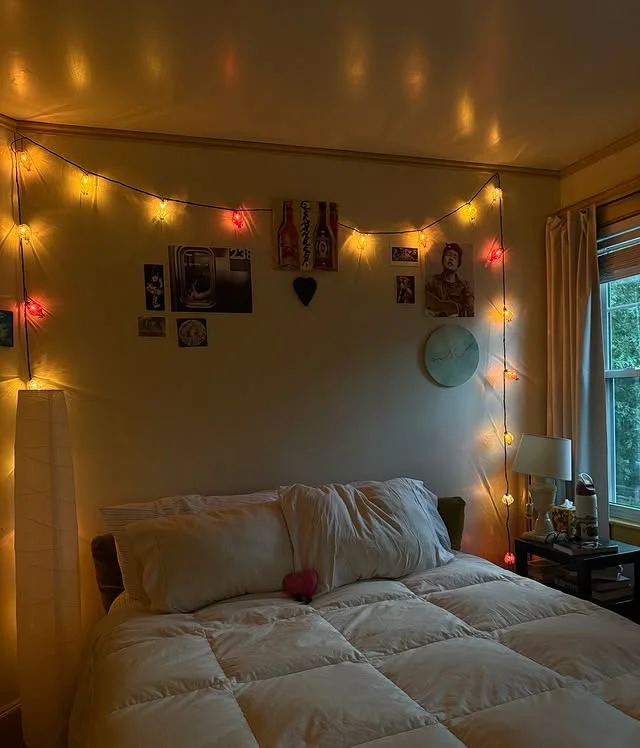
In a studio the bed is always visible, so the bedding is part of the decor. Layered textures do the work: a soft duvet, a knit throw folded at the foot and two pillows in different fabrics make the bed look dressed even when it was made in thirty seconds.
Quick Tip: Choose bedding in two tones of the same color family, such as blush and cream, and add one patterned pillow. The range keeps the bed from looking flat, and the pattern gives the eye somewhere to land.
The room in this photo pairs white bedding with warm string lights, which is the other half of the trick. Soft light from above and soft fabric below make the sleeping corner feel like its own little room.
Sheer Curtain Glow
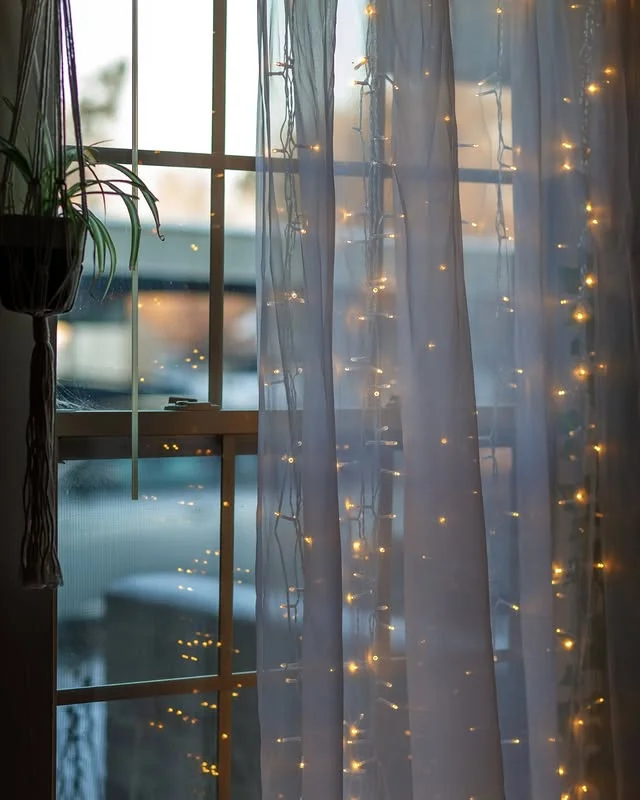
Sheer curtains turn a plain window into the prettiest part of the room. They soften the daylight, and with a string of fairy lights behind them the window glows in the evening like a lantern.
Before: A bare window with hard daylight and a black frame that reads as a hole in the wall.
After: The same window with floor length sheer curtains and warm fairy lights, and the whole corner feels soft and finished.
Hang the curtains high, just below the ceiling, and let them touch the floor. Short curtains make a small window look smaller, and sheers that pool slightly read as deliberate rather than wrong.
Compact Reading Nook
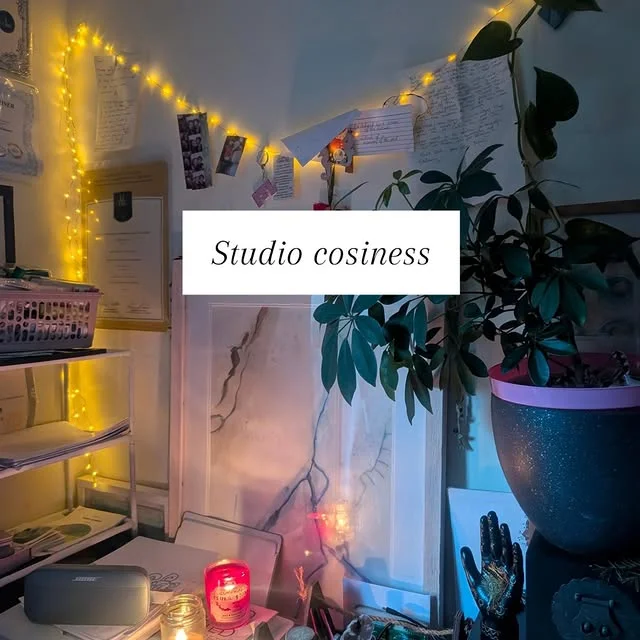
A reading nook needs nothing more than a chair, a light and a surface for a cup of tea. Tuck it into the corner that gets the least use, add a small shelf for books and a candle, and the studio gains a second room without a single wall.
- Face the chair toward the window so daylight does the work.
- Keep a small table within reach for a book and a drink.
- Add one warm lamp for evenings, since overhead light kills the mood.
- Hang one small shelf above the chair for the books you are reading now.
The nook in this photo layers fairy lights, plants and pinned notes around a small desk, which is the same idea at a smaller scale. A corner that feels personal gets used every day.
Warm Wood Accents
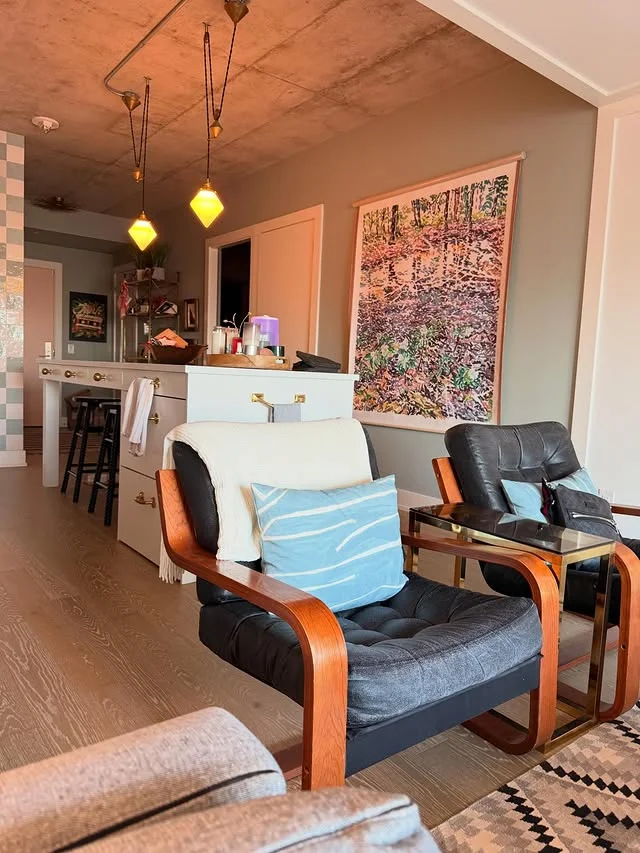
Pale walls and soft fabrics can feel cold on their own, and wood is the fix. A slatted divider, a wooden coffee table or even a single oak shelf warms the room without adding a new color, and the grain gives the eye something natural to rest on.
DO:
- Repeat the same wood tone twice, such as a divider and a side table, so it reads as a choice.
- Keep wood pale or mid tone in a small room, since very dark wood closes the space in.
- Pair wood with cream textiles so the warmth shows.
DON’T:
- Mix three different wood finishes in one small room, it reads as clutter.
- Hide the wood behind clutter, the grain needs clear space to show.
The wooden floor and chairs in this photo warm up the whole room without adding a single new color. That is the kind of piece a studio rewards most.
Plush Area Rug
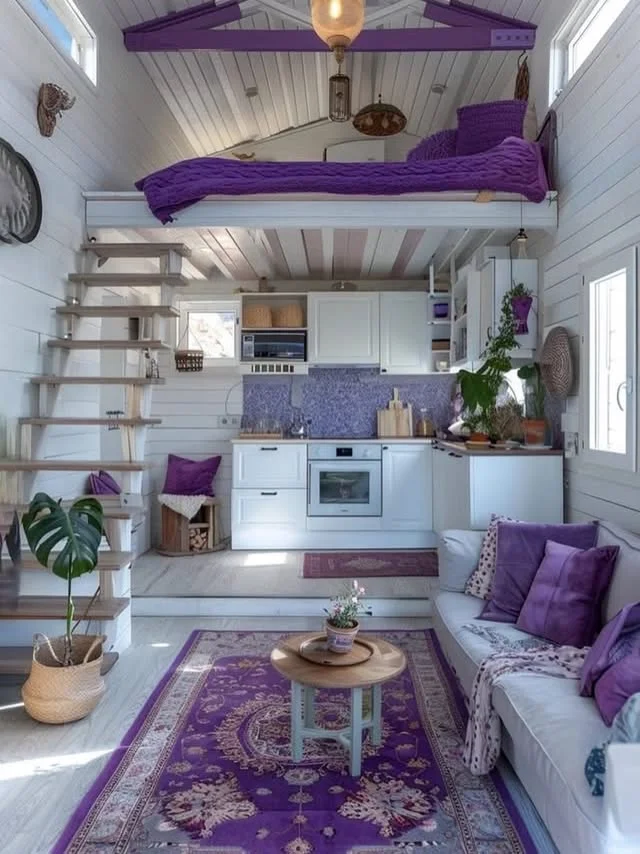
A rug is what turns a patch of floor into a room. In a studio it marks the living area, softens bare feet in the morning and adds the one big block of color or pattern the room can take without feeling busy.
- Size the rug so the front legs of the sofa sit on it.
- Pick a plush pile if the room has hard floors, since it changes how the space feels underfoot.
- Use a rug pad underneath, since a sliding rug ruins the look in a week.
- Choose a pattern with at least two tones so it bridges pale and dark pieces.
The purple rug in this photo does the whole job: it defines the seating area, warms the wood floor and ties the loft bed above to the room below. One good rug beats three small ones every time.
Fairy Light Canopy

Fairy lights strung across the ceiling are the single fastest way to make a studio feel dreamy. They cost almost nothing, they need no tools, and they turn an ordinary evening into something soft. This is the heart of dreamy studio apartment decor: small, warm details that make a tiny space feel magical after dark.
Quick Tip: Start from one central point and fan the strands out across the ceiling, so the glow spreads evenly instead of pooling over the bed.
Choose warm white lights, not cool white, since cool light reads as a shop display. Battery packs hide behind a curtain, so no cable ever shows.
Living Under Loft
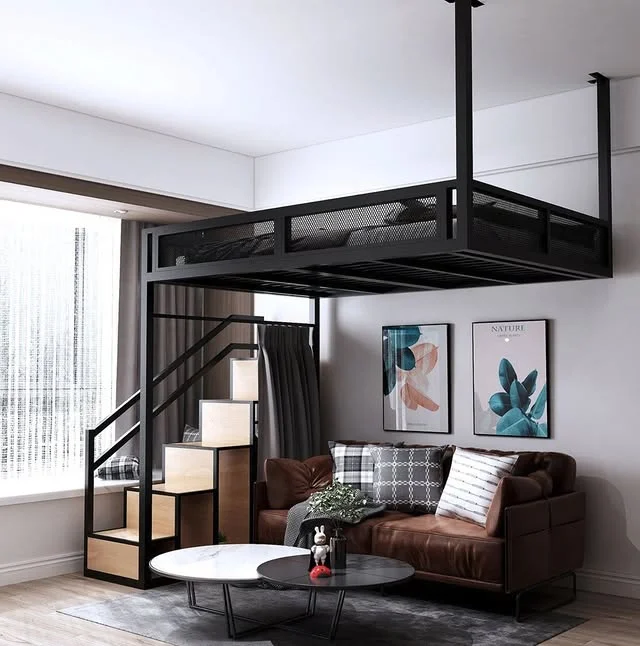
A loft bed frees the floor below it, and that space becomes the best lounge in the apartment. A sofa, a small table and a couple of art prints turn the area under the bed into a proper sitting room, so the studio gains a living room without giving up the bedroom.
- Place the sofa so it faces the window, not the bed frame above it.
- Hang art prints on the wall beside the stairs to make the corner feel finished.
- Keep the ceiling height in mind: the sofa below needs enough room to sit up comfortably.
- Use a low coffee table so the space under the loft never feels cramped.
The sofa under the loft bed in this photo shows the idea at work: a brown sofa, a round coffee table and art on the wall, all tucked neatly beneath the sleeping deck. The stairs double as storage, which is the bonus a studio always needs.
Greenery Corner Touch
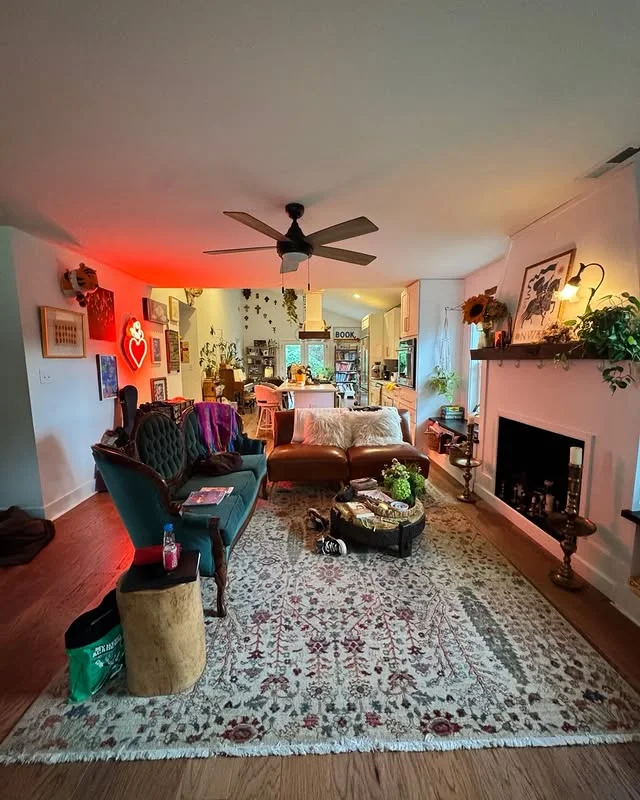
Plants are the easiest color a pale studio can take. Green against cream looks fresh without trying, and one tall plant in a corner breaks up the straight lines of the furniture. The room in this photo layers several plants around a fireplace, which is the same idea at a bigger scale.
DO:
- Start with one large plant and live with it for a month before adding more.
- Use matching pots in one material so the plants read as a set.
- Put the tallest plant in the darkest corner, since it needs the least light there.
DON’T:
- Line the windowsill with ten tiny pots, it reads as clutter.
- Buy a plant that needs more light than your window gives.
If real plants keep dying, a good faux olive tree does the same job and needs nothing. Start with one and see how the room feels.
Loft Bed Hideaway
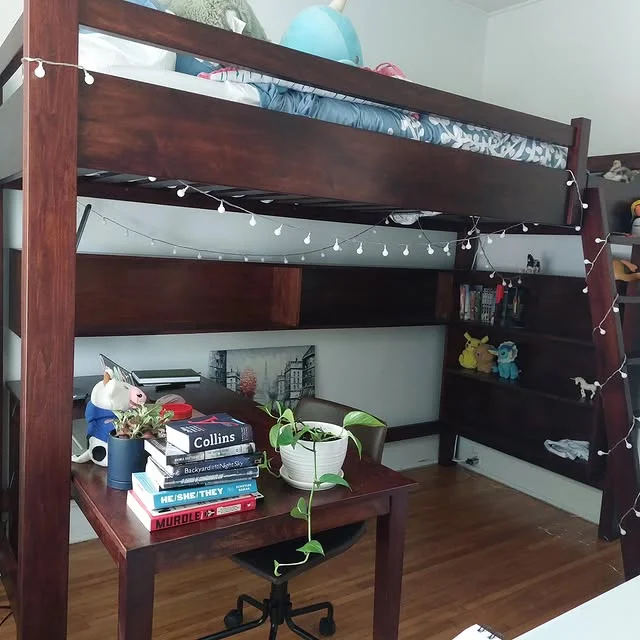
A loft bed is the biggest space saver a studio can have. The bed goes up, the floor below becomes a lounge, a desk or a reading corner, and the whole apartment gains a room it did not have before.
Before: A bed on the floor that takes a third of the room and leaves nowhere to sit.
After: The same footprint with a loft bed above and a desk with bookshelves below, and the floor is free again.
Loft beds suit high ceilings best, so measure first: you need enough height to sit up in bed and to stand below it. A sturdy ladder with wide steps is worth paying for.
Soft Throw Layers

Throws are the cheapest way to make a sofa look dressed. One knit throw over the arm, one folded across the back and a cushion in a matching tone make a plain grey sofa feel soft, and the throw is the part you actually use on a cold evening.
- Use two throws in different textures, such as knit and fleece, so the sofa has depth.
- Fold the throw over one arm, not the back, so it stays in reach.
- Match one throw to the rug and let the other stand alone.
- Wash the throws every season so they stay fresh.
The fairy lights woven through the knit throw in this photo are the extra touch: light plus texture is what makes a bed feel dreamy, and both cost almost nothing.
Wood Slat Divider
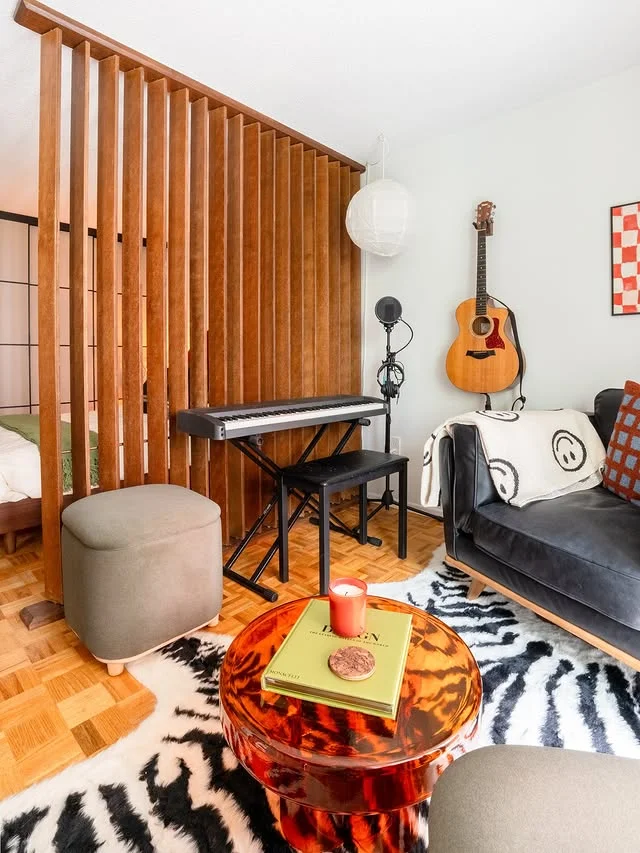
A wooden slat divider splits a studio without closing it off. Light passes between the slats, air moves through, and the sleeping area still feels like part of the room. It suits tiny apartments best, since it marks a zone in the space of a few centimeters.
Cost: A ready-made slat panel runs 150 to 400 dollars, depending on size and wood; a simple DIY version from timber battens costs under 100 dollars.
Time: An afternoon to fit a ready-made panel, or a weekend to build one from scratch.
The divider in this photo separates a 183 square foot apartment, with a keyboard and a guitar on the living side. If a full divider is too much, a single slatted screen does the same job and folds away.
Artful Gallery Wall
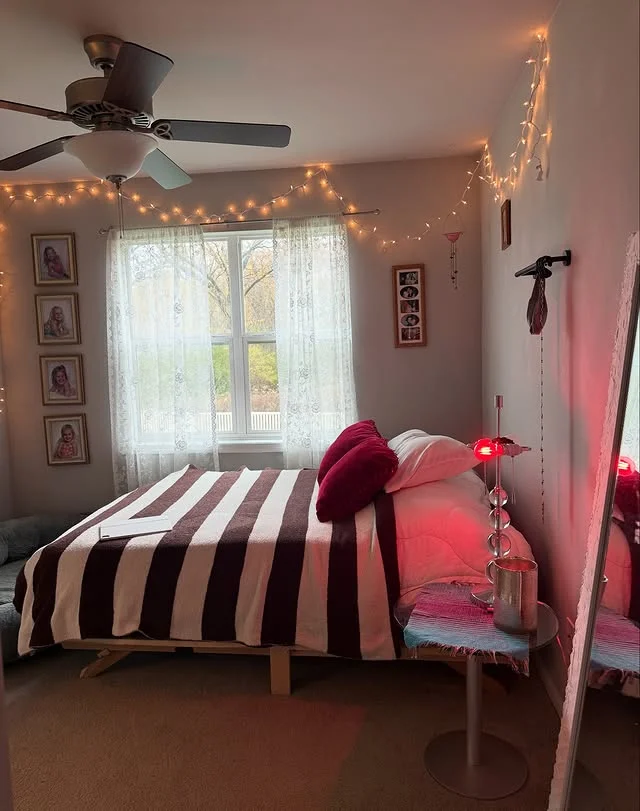
A gallery wall is the fastest way to make a rented studio feel like yours. Prints, photos and one neon sign turn a blank wall into the room’s personality, and the frames can come down without a trace when you move.
Quick Tip: Lay the whole arrangement on the floor first and photograph it from above. Move pieces until the gaps look even, then hang the center piece at eye level and build out from it.
Keep the frames in two finishes at most so the wall reads as one display rather than a jumble. Start with five or six pieces and add one at a time, since a gallery wall grows better than it is planned.
Candlelit Evening Mood

Candles are the smallest luxury a studio can have. One lit candle on the bed tray, a book and a warm drink turn the last hour of the day into a ritual, and the flickering light makes even a plain room feel soft.
- Use a candle in a jar or a lantern so the flame is always contained.
- Keep the candle on a tray, never straight on the bedding.
- Pair the candle with a book, not a screen, so the evening slows down.
- Blow it out before you fall asleep, every single time.
The lit candle, open book and mug in this photo are the whole idea in one frame. A battery candle gives the same glow with no flame at all, which suits anyone who falls asleep reading.
Low Platform Bed
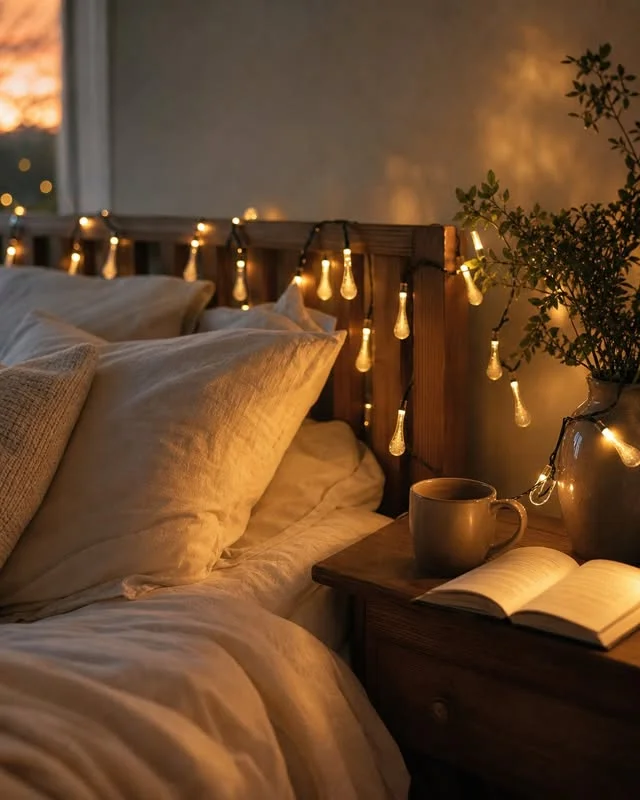
A low platform bed makes a small room feel taller, because the eye reads the extra wall height instead of the bed frame. It also suits studios where the bed sits in an open nook, since the low profile never blocks the light or the view across the room.
DO:
- Keep the bedding pale so the low bed reads as calm, not heavy.
- Add a sliding partition or a curtain for nights when you want the nook closed.
- Use the space under the platform for flat storage boxes.
DON’T:
- Pair a low bed with a tall headboard, it defeats the purpose.
- Push the bed flat against the only window, the light gets lost.
The low bed in this photo sits under warm string lights with a book on the nightstand, which is the other lesson: a low bed plus soft light makes the sleeping corner feel like its own little room.
Dreamy Pastel Touches
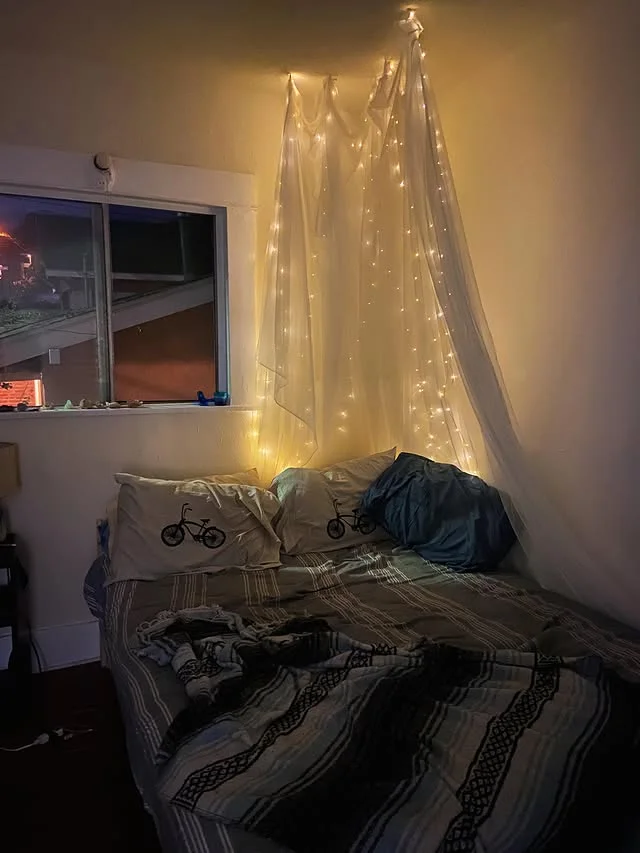
Pastel is the color of a dreamy room: blush pink, soft lilac and pale peach warm up white walls without shouting. One pastel wall or a set of pastel bedding is enough, since the color works best as an accent rather than a theme.
- Pick one pastel and use it in three places: bedding, a cushion and a small object.
- Keep the rest of the room white or cream so the pastel stays soft.
- Add warm fairy lights, since pastel looks best in warm light.
- Change the pastel with the seasons, since a cushion costs less than a repaint.
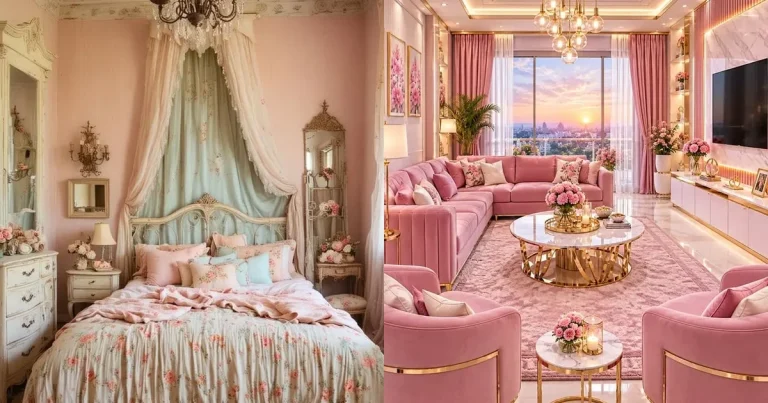
The canopy bed in this photo layers sheer fabric, soft bedding and fairy lights, and the whole corner feels like a place to slow down. If pink feels too sweet, pale sage gives the same softness with less sugar.
Bedside Table Basics
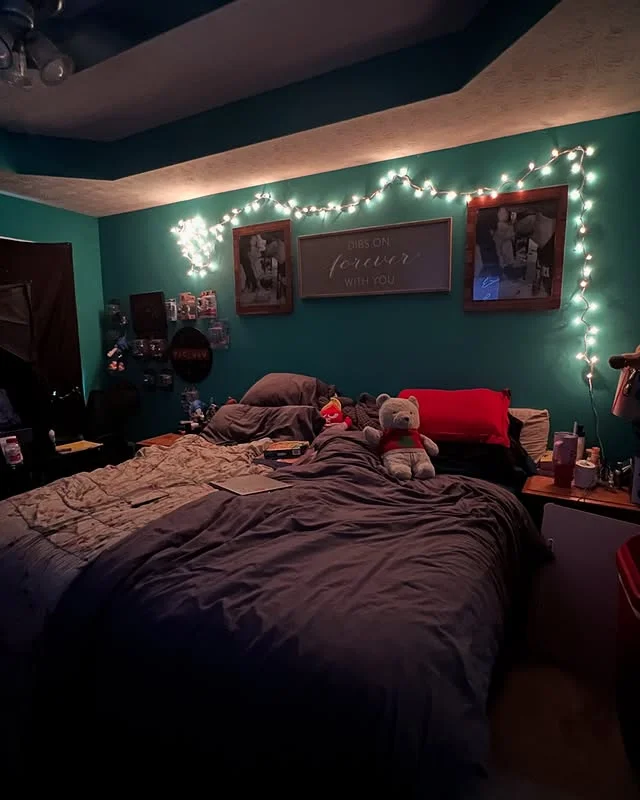
A nightstand earns its place by holding the three things you reach for in the dark: a lamp, a book and a phone charger. In a studio it also hides the clutter, so the sleeping corner stays calm.
Before: A bed with nowhere to put a lamp or a book, so everything piles on the mattress and the corner never looks finished.
After: The same bed with a small nightstand beside it, holding a lamp and a book, and the sleeping corner finally has its own little setup.
Choose a nightstand with one drawer, since the drawer hides the charger cables and the small things that collect by a bed. A round top suits a tight corner, because there are no sharp edges to bump into at night.
Cozy Window Seat
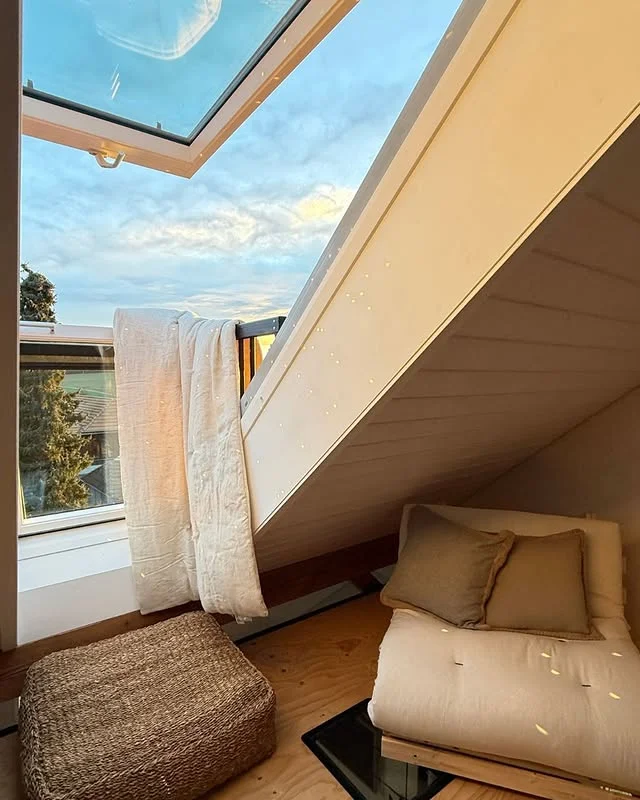
A window seat needs nothing more than a mattress, a cushion and a curtain. The bed pushed against the window becomes the best seat in the apartment: morning light for reading, evening light for winding down, and a view that makes the room feel bigger.
Quick Tip: Put the softest cushion at the window end and keep a small shelf nearby for a book and a drink. The seat gets used when everything you need is within reach.
The window seat in this photo sits under a skylight with soft cushions, which is the whole idea in one frame. If the window is drafty, a thick cushion and a throw keep the seat warm without blocking the light.
Textured Wall Panels
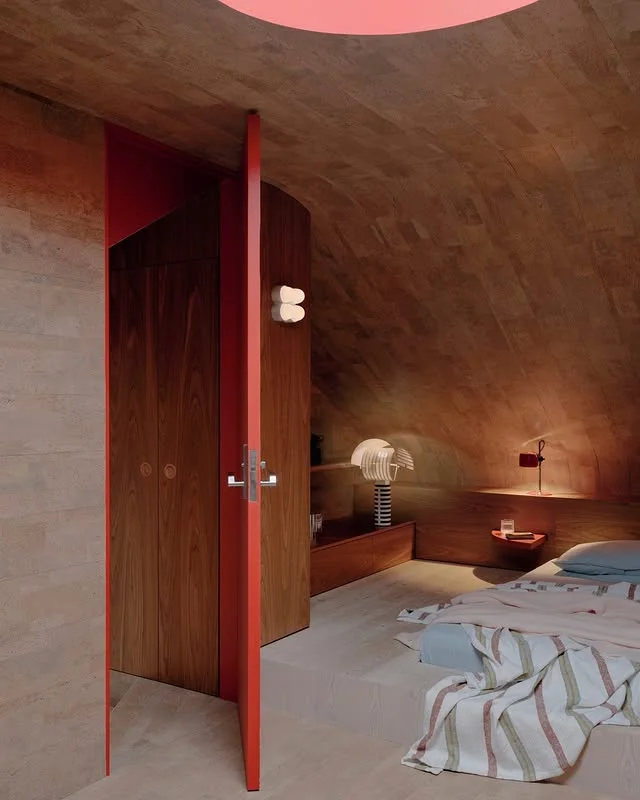
Flat white walls make a small room feel like a box, and texture fixes it. Wood panels, a slatted accent or even a woven wall hanging give the wall depth, so the room feels designed rather than empty.
Cost: Peel-and-stick wood panels run 40 to 80 dollars for one feature wall; a woven wall hanging costs 20 to 50 dollars.
Time: An afternoon to hang panels on one wall, or ten minutes to hang a textile.
The wood paneled attic room in this photo shows how far texture goes: the walls carry the whole look, and the furniture can stay simple. Renters should pick removable panels or textiles, since they come down clean.
Warm Metallic Accents
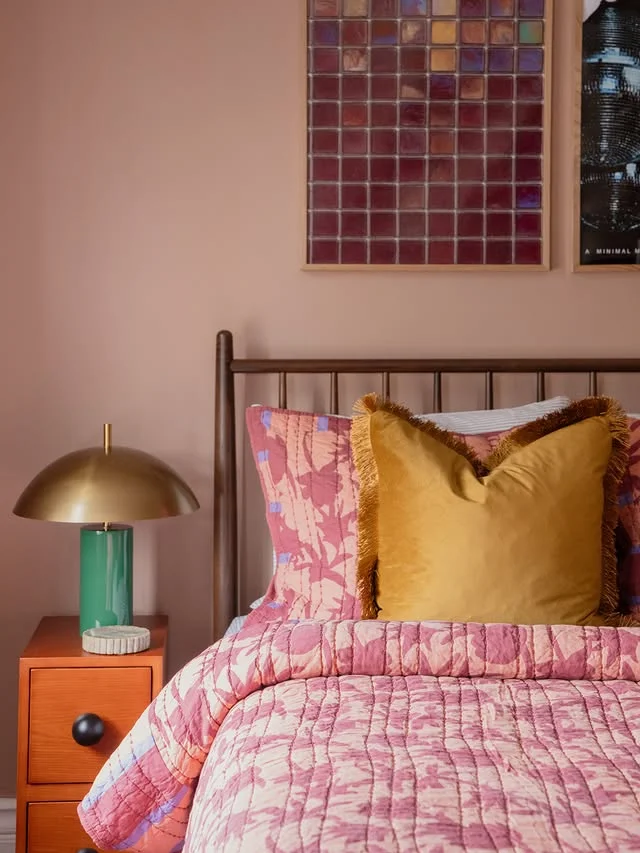
Brass and gold warm up a pale room the way wood does, but with a little more shine. A brass lamp, a gold mirror frame or a set of warm metal handles gives the room its jewelry, and the glow suits pink and cream better than chrome ever will.
- Keep the metal to small pieces, such as a lamp, a tray and a frame.
- Use one metal finish only, since mixed metals read as clutter in a small room.
- Place metal where it catches the light, since the shine is half the point.
- Match the metal to the warm tones already in the room.
The brass lamp in this photo is the whole idea in one object: a small warm glow that makes the pink bedding look richer. One good lamp beats a shelf of small gold objects.
Personal Photo Display
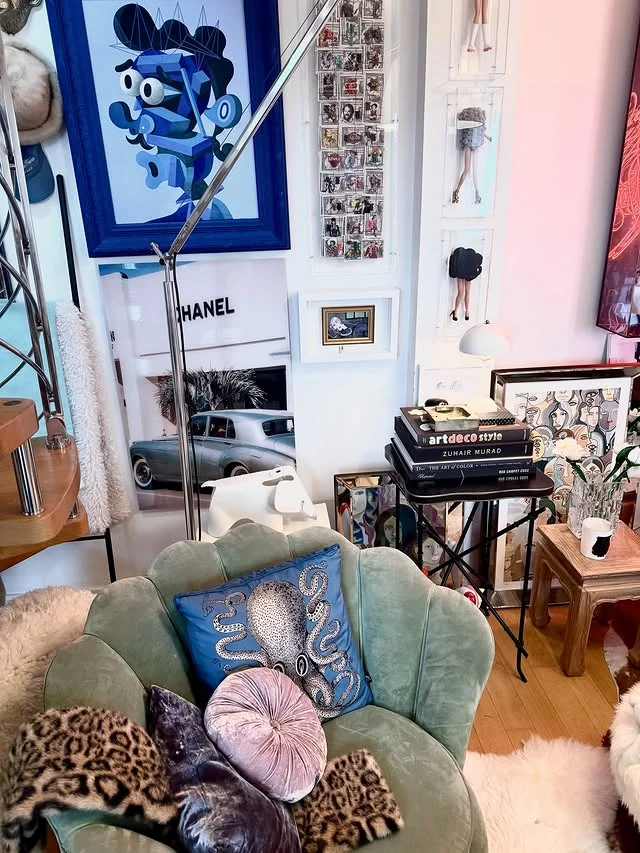
A wall of personal photos is what turns a rented studio into a home. Print the pictures that matter, pin them up with clips or washi tape, and the wall becomes the one part of the room no shop could ever sell you.
DO:
- Print photos in one size so the wall reads as a set.
- Mix photos with one or two small prints for balance.
- Use removable clips or tape so the wall stays clean when you move.
DON’T:
- Cover every wall with photos, one display wall is enough.
- Hang photos where direct sun hits them all afternoon, they fade fast.
The photo collage wall in this photo sits above a green chair and a stack of posters, and the corner feels collected rather than decorated. Start with ten prints and add to the wall over time.
Calm Clutter-Free Zones
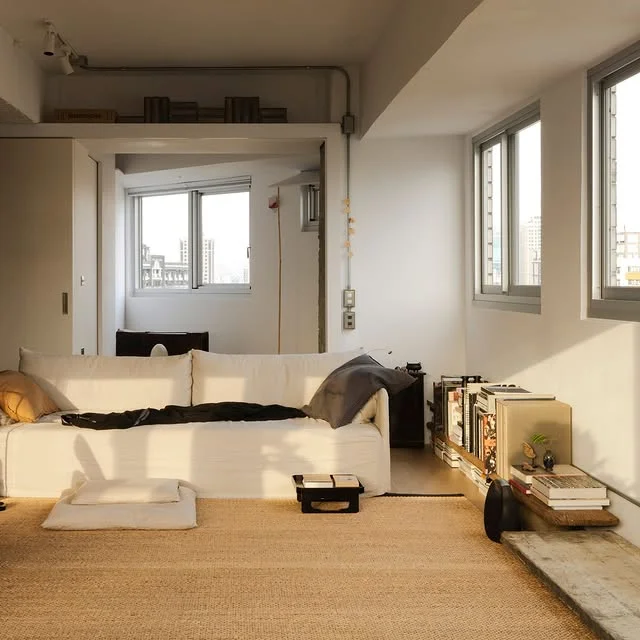
The dreamiest studios are the calmest ones, and calm comes from empty space. One clear surface per zone, a closed basket for the mess and a rule that everything has a home keeps a small room feeling soft instead of crowded.
- Clear one surface every evening so the room resets overnight.
- Give every loose item a basket, a hook or a drawer.
- Keep the floor clear except for the rug and the furniture.
- Remove one thing before adding anything new.
The bright, minimal room in this photo shows the payoff: a white sofa, a wooden floor and nothing extra, and the whole space feels bigger than it is. Dreamy is as much about what you leave out as what you add.
Conclusion
These 23 ideas share one habit: let the small things do the work. Soft light, warm textures, a plant, a rug and one corner that feels entirely yours are enough to make a studio feel dreamy, and that is the heart of good dreamy studio apartment decor: a tiny space that feels soft, calm and completely your own.
For more inspiration, explore these related guides: bedroom zone ideas.
2 Comments