
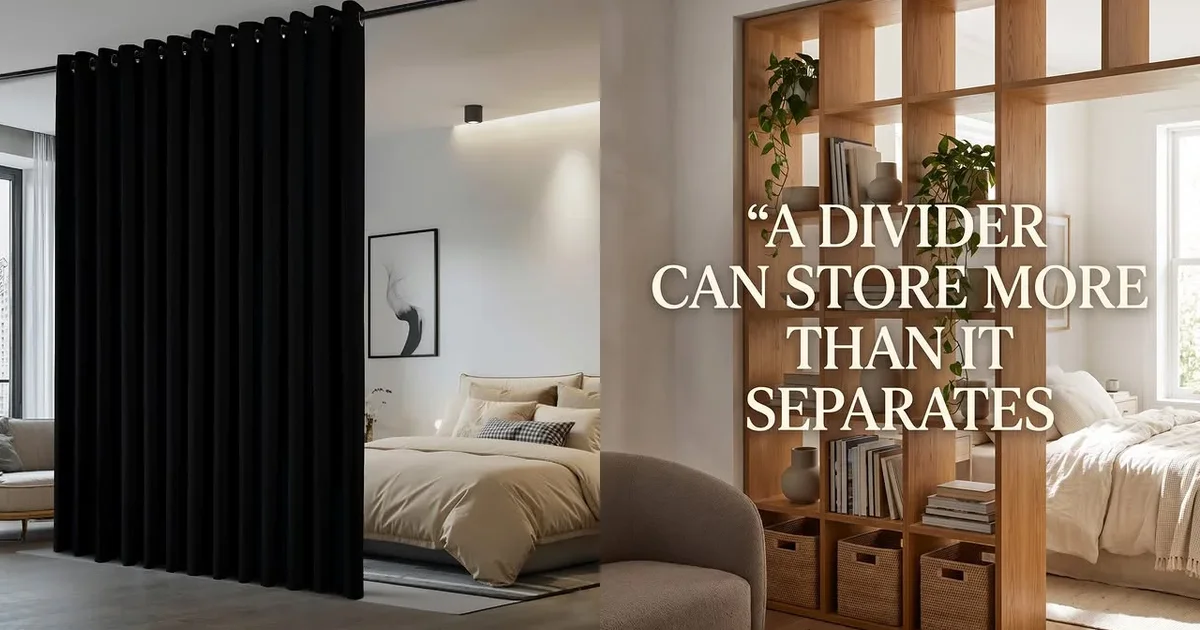
25 Smart Bedroom Zone Ideas for Small Studio Apartments
A bedroom zone in a studio apartment is the hardest corner to get right. You need privacy for sleep, storage for clothes, and a clear line between rest and the rest of your life, all inside one open room.
These 25 smart bedroom zone ideas cover dividers, beds, storage, light, and small styling moves, so you can pick one change or layer several together. Most need nothing more than a curtain rail, a rug, or a better bed frame.
Curtain Room Divider
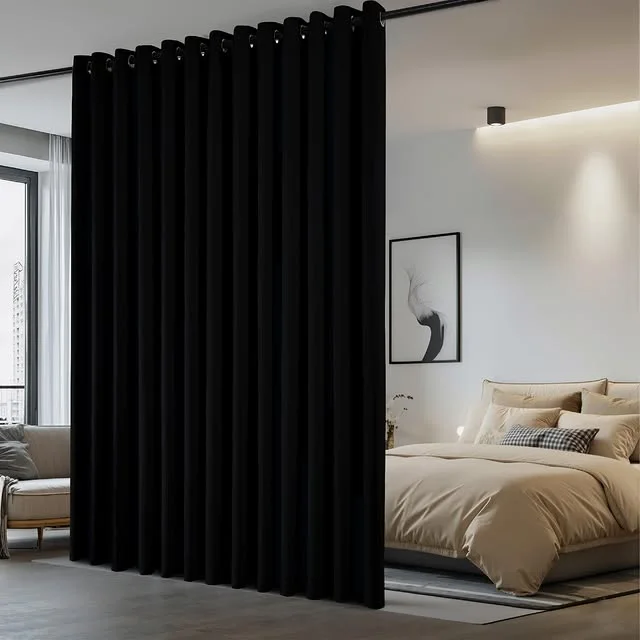
A ceiling track and a floor length curtain is the cheapest real wall a studio can have. It closes off the bed at night and slides open in the morning, so the room feels big again by day.
- Mount the track on the ceiling, not the wall, so the curtain hangs straight and full.
- Pick a heavy linen or blackout fabric so the curtain blocks light as well as sight.
- Let the curtain touch the floor so no gap gives the zone away.
- Choose a colour close to the walls so the divider reads as architecture, not a tent.
Curtains suit renters best, since the track comes down with two screws and no trace.
Bookshelf Partition Wall

A tall open bookshelf divides the room and stores your books at the same time. It marks the bedroom zone without blocking light, and it gives the bed a wall to lean on.
- Anchor the shelf to the floor or ceiling so it never wobbles.
- Leave the top shelf partly empty so light passes over it.
- Face the books toward the bed side for a calmer look from the living area.
- Use baskets on the lower shelves to hide clutter.
A bookshelf divider works best when it stops a little short of the ceiling, so the room still breathes.
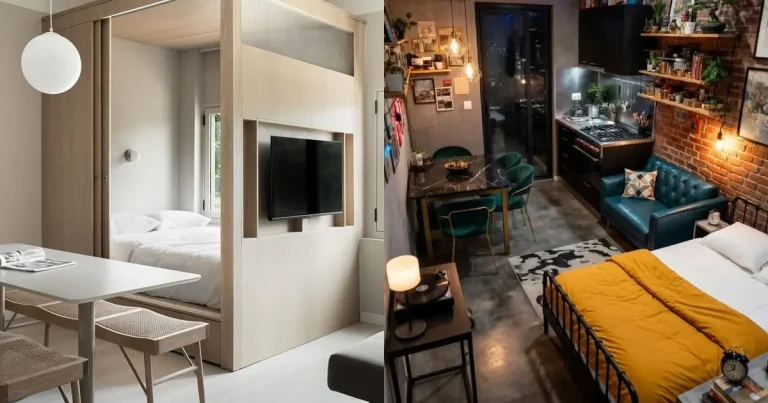
Half Wall Divider
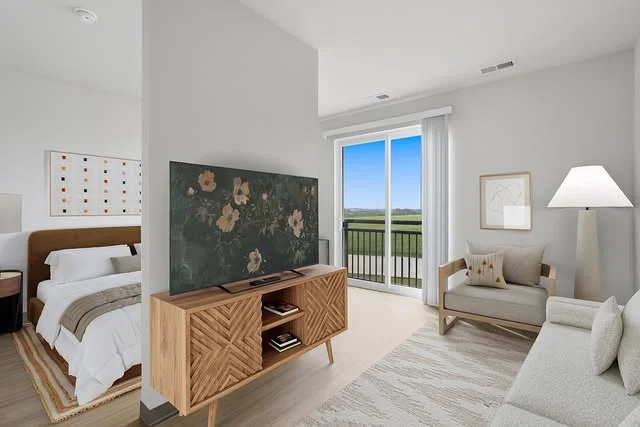
A half wall divides the bedroom from the living area while keeping the room open above it. The wall is tall enough to hide the bed from the door, yet low enough that light and air flow over the top.
DO:
- Build the wall to headboard height, so it hides the bed without closing the room.
- Paint the wall the same colour as the room so it reads as architecture.
- Put a nightstand and a lamp against the bedroom side for a real bedside.
DON'T:
- Build the wall to the ceiling, it becomes a full wall and the studio loses its light.
- Leave the top edge rough, a clean cap or shelf finishes the look.
Half walls suit owners best, since the wall stays with the flat, but a freestanding half height shelf gives renters the same effect.
Folding Screen Divider
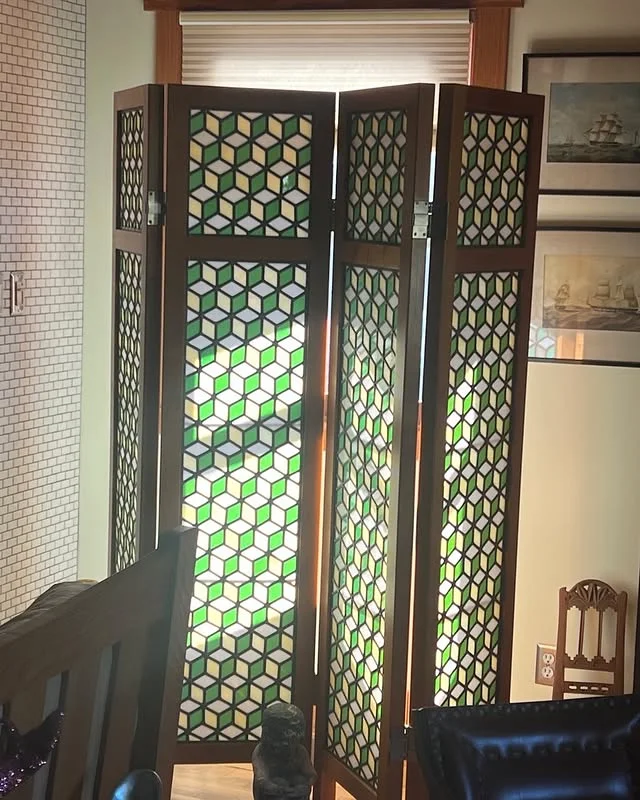
A folding screen is the only divider you can move in ten seconds. Angle it behind the bed to hide the pillows from the door, then fold it flat against the wall when guests come over.
Quick Tip: Buy a screen taller than the bed headboard, or it hides nothing. Three panels suit a studio better than four, since the screen folds smaller.
Screens suit people who rearrange often, since the zone moves with the furniture.
Platform Bed Zone
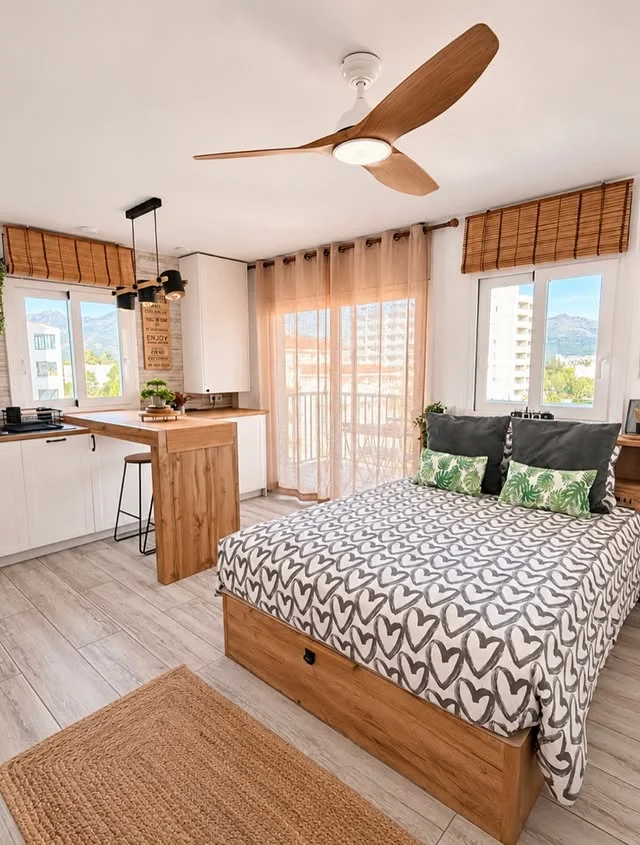
A low platform bed makes the sleeping area feel like a room of its own, even with no walls around it. The raised edge marks where the bedroom starts, and the space below holds drawers or boxes.
Before: A mattress on the floor with bedding spilling onto the rug, and no clear line between the bed and the living area.
After: The same mattress on a low wooden platform, with the rug tucked under the frame, and the bedroom reads as a proper zone.
Platform beds suit small studios because they add storage without adding height.
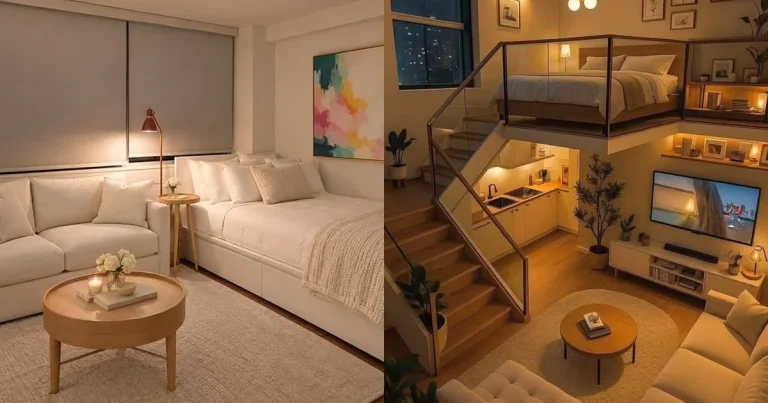
Loft Bed Above
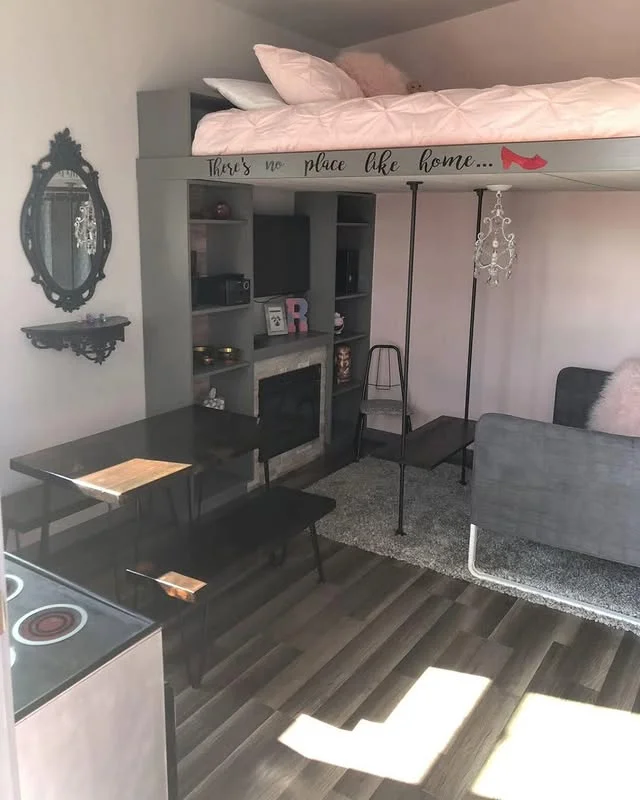
A loft bed lifts the whole bedroom off the floor and hands the space below to storage, a desk, or a TV wall. It is the biggest space saving move a studio can make, and it turns one room into two floors.
Cost: A sturdy loft bed frame runs 300 to 800 dollars, plus a ladder and a safety rail.
Time: Half a day to assemble with two people, including fixing the frame to the wall.
Loft beds suit high ceilings best. Measure first, since you need at least 90 centimetres of sitting room above the mattress.
Canopy Bed Frame
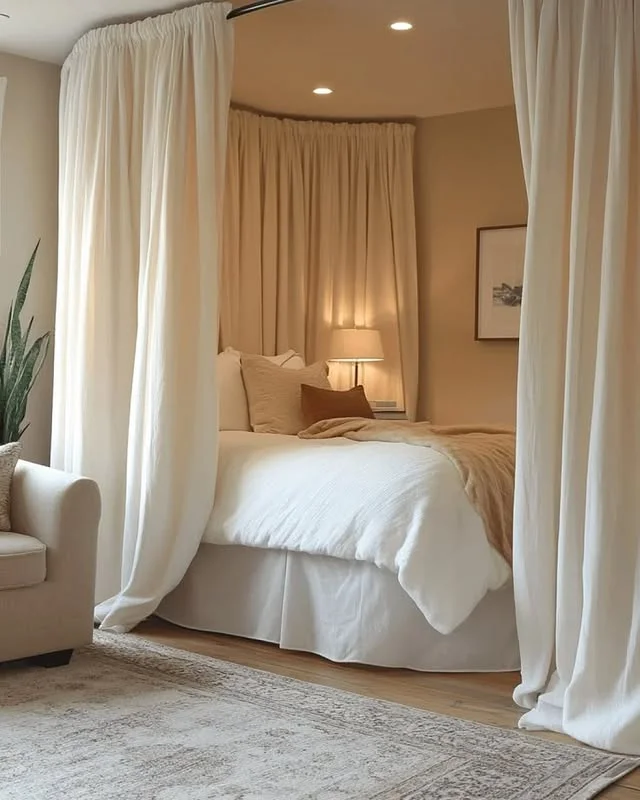
A four poster frame turns the bed into a room inside the room. The posts mark the corners of the sleeping zone, and the frame gives you somewhere to hang curtains, lights, or a mosquito net.
- Choose slim metal posts so the frame never dominates the room.
- Keep the bedding pale so the dark frame stays light in the room.
- Hang one string of warm lights along the top rail for evening glow.
- Leave the foot end open so the bed stays easy to make.
A canopy frame suits studios with plain walls, since the bed becomes the decoration.
Sheer Canopy Drapes
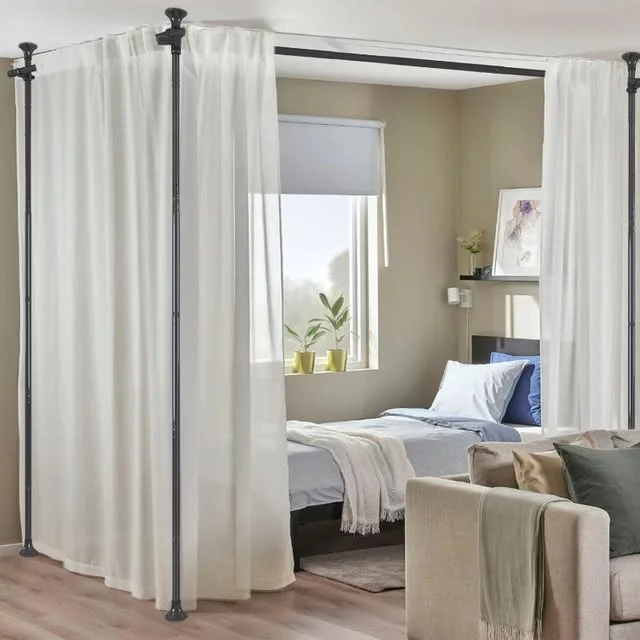
Sheer drapes on a canopy frame give the bed privacy without darkness. Light passes through the fabric, so the sleeping corner feels soft and private while the rest of the room stays bright.
- Use white or cream voile so the drapes glow in daylight.
- Tie the drapes back during the day so the bed stays open.
- Wash the panels monthly, since sheer fabric shows dust fast.
- Keep the drapes clear of heaters and candles.
Sheer drapes suit warm rooms best, since they move with the air and keep the bed cool.
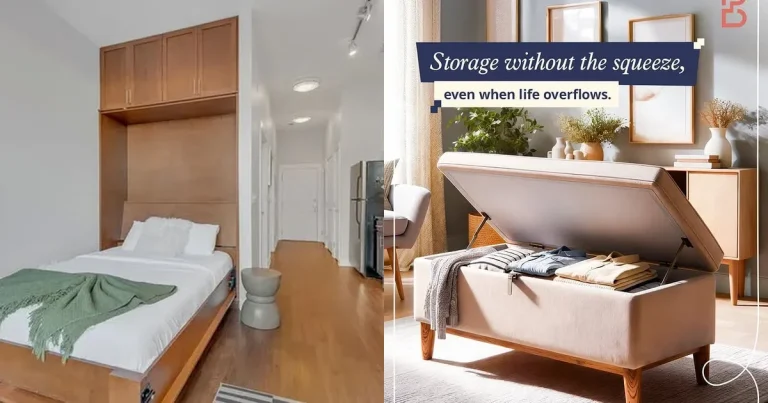
Murphy Bed Foldaway
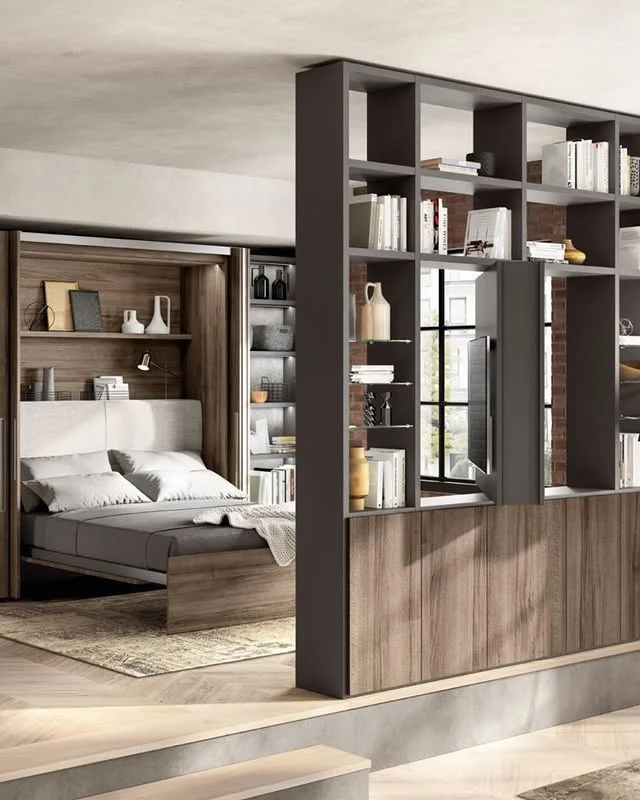
A Murphy bed folds into the wall by day and drops down at night, so the bedroom zone only exists when you sleep in it. By day the same floor holds a sofa, a table, or an empty room for yoga.
DO:
- Pick a wall unit with shelves on both sides, so the folded bed looks like furniture.
- Use a proper mattress, since a thin one ruins the sleep.
- Leave the bedding on the bed when you fold it up, it saves five minutes every night.
DON'T:
- Mount the unit on a weak plasterboard wall without finding the studs.
- Store heavy boxes on top of the folded bed, they fall when it opens.
Daybed Dual Purpose
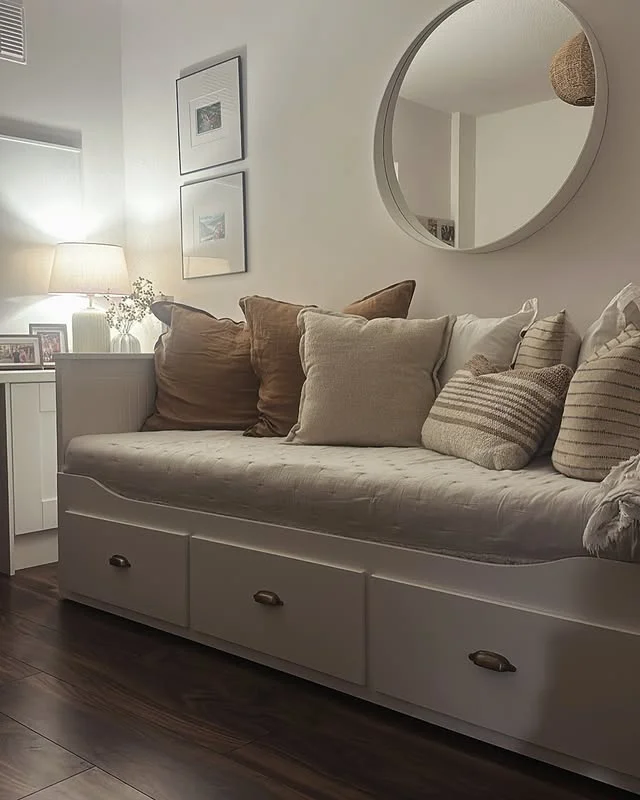
A daybed is a sofa by day and a bed by night, which is exactly what a studio needs. Dress it with cushions and a throw in the daytime, then pull the cushions off and sleep on it at night.
Before: A separate sofa and a separate bed fighting for floor space, with neither one comfortable.
After: One daybed against the wall, styled as a sofa by day, and the room gains a full metre of open floor.
Daybeds suit solo sleepers best, since the single width sleeps one person well.
Storage Bed Base

A bed with drawers or a lift up base hides a whole wardrobe under the mattress. It is the easiest storage a studio can add, since the floor space is already taken by the bed.
Quick Tip: Store out of season clothes and spare bedding under the bed, and keep everyday clothes in the wardrobe. The under bed space works best for things you reach for once a month, not once a day.
Lift up bases suit heavy sleepers, since the mattress stays put, while drawers suit people who like to see everything at a glance.
Rug Defines Zone
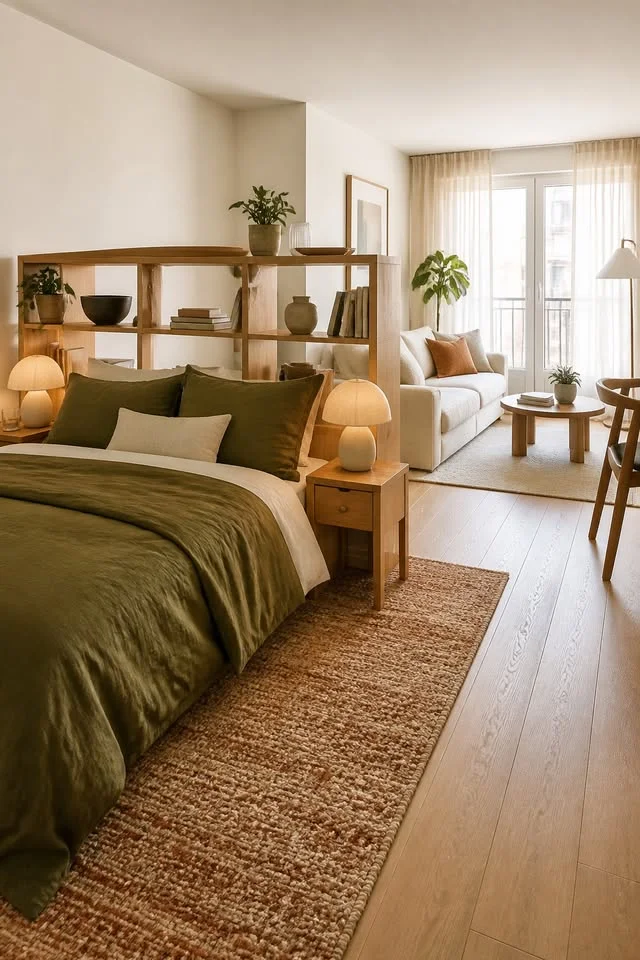
A rug is the simplest way to mark a bedroom zone in a studio apartment without building anything. The rug sets the edge of the sleeping area, and the bed, the nightstand, and the lamp all sit on it.
- Size the rug so the bed and both nightstands sit on it.
- Pick a pattern that hides dust and pet hair between cleans.
- Use a thin rug pad underneath so the rug never slides.
- Let the rug run past the foot of the bed by at least 60 centimetres.
Rugs suit renters, since the zone moves with the rug when the furniture changes.
Padded Headboard Wall
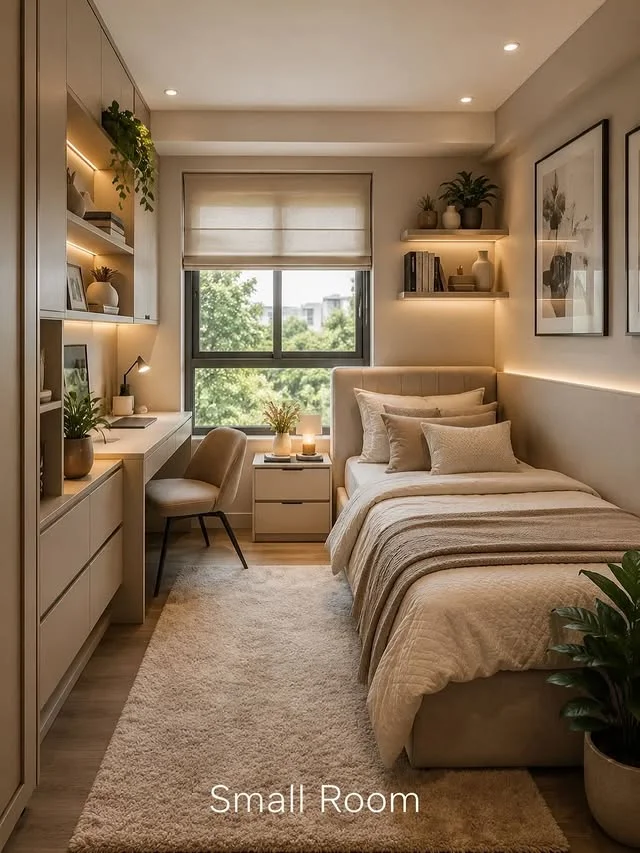
A padded headboard wall turns the wall behind the bed into soft, quiet luxury. The padding absorbs sound, feels warm to lean on, and makes the sleeping zone look like a hotel room.
- Choose a padded panel in a warm neutral so it suits any bedding.
- Add a strip of ambient light behind the panels for a soft evening glow.
- Keep the bedding light so the padded wall stays the feature.
- Vacuum the panels monthly, since fabric collects dust.
Padded walls suit light sleepers, since the soft surface muffles sound from the living area.
Statement Headboard
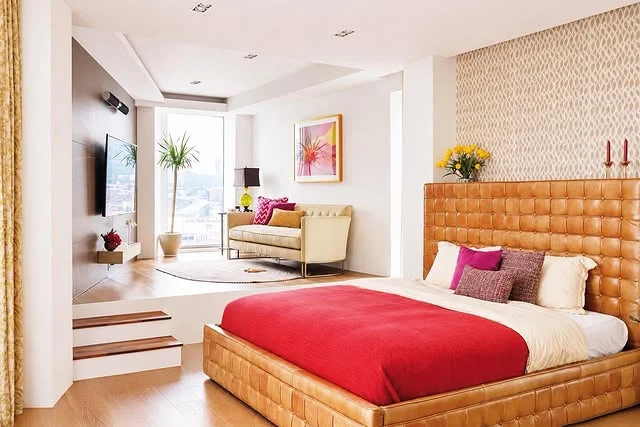
A tall headboard gives the bed a back wall even when the real wall is far away. It frames the pillows, holds the eye, and makes the sleeping zone look finished with one piece of furniture.
Cost: A tall upholstered headboard runs 150 to 400 dollars, depending on the fabric and the size.
Time: An hour to fit a freestanding headboard, or a weekend to build a padded panel wall.
Headboards suit studios with the bed floating in the room, since the headboard is the wall the bed leans on.
Bunk Bed Corner
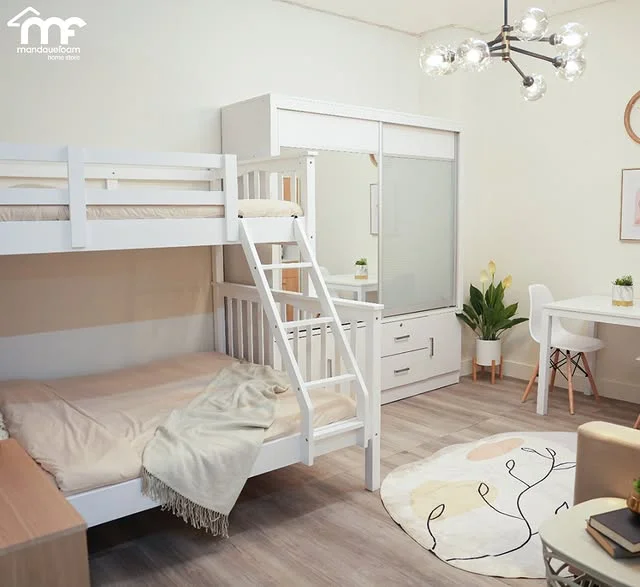
A bunk bed turns one corner of a studio into two sleeping spots without taking more floor. The lower bunk works as a daybed by day, and the ladder tucks against the wall when it is not needed.
DO:
- Pick a solid wood frame with a full safety rail on the top bunk.
- Use the lower bunk as a sofa by day with cushions and a throw.
- Keep a small lamp on each level so both sleepers can read.
DON'T:
- Put the top bunk under a low ceiling, the sleeper needs room to sit up.
- Hang heavy shelves above the lower bunk, they feel unsafe to sleep under.
Bunk beds suit studios that host guests often, since the second bed is always ready.
Raised Sleep Platform
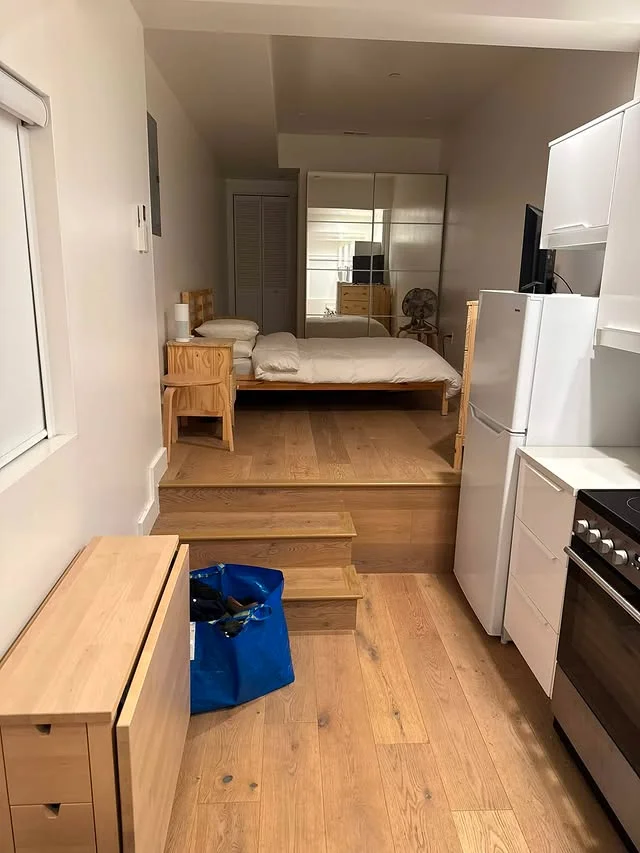
A raised platform lifts the bed a step above the living area and marks the zone with height instead of walls. The step up feels like entering another room, and the space under the platform hides drawers or boxes.
- Keep the platform low, one step high, so getting into bed stays easy.
- Add a small lamp on the platform edge for a soft night light.
- Use the space below for shoes, books, or out of season clothes.
- Choose a non slip surface on the step, since you cross it half asleep.
Raised platforms suit studios with a clear corner, since the platform needs one wall to lean on.
String Light Glow
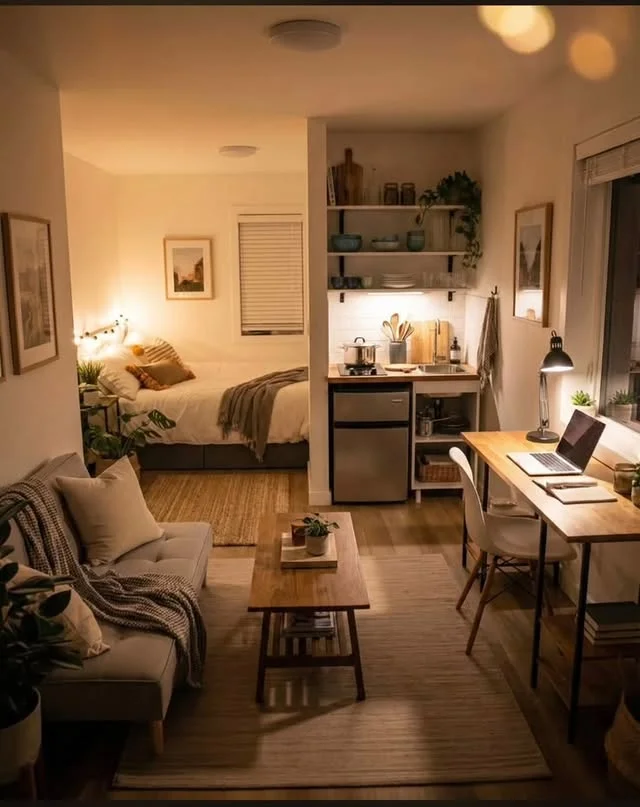
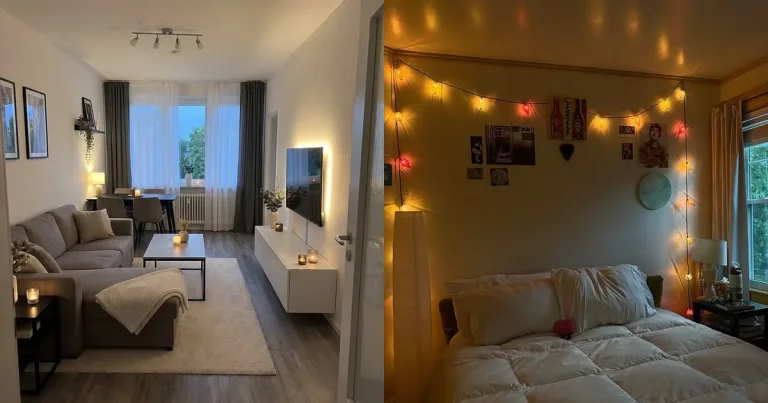
A string of warm lights along the headboard or the ceiling above the bed turns the sleeping corner into a calm evening zone. The glow is soft enough for reading and warm enough to wind down by.
Quick Tip: Pick warm white lights, around 2700K, and run them on a timer so they switch off after you fall asleep. Battery lights suit renters, since no plug is needed near the bed.
String lights cost almost nothing and change the mood of the whole zone in one evening.
Warm Wood Headboard
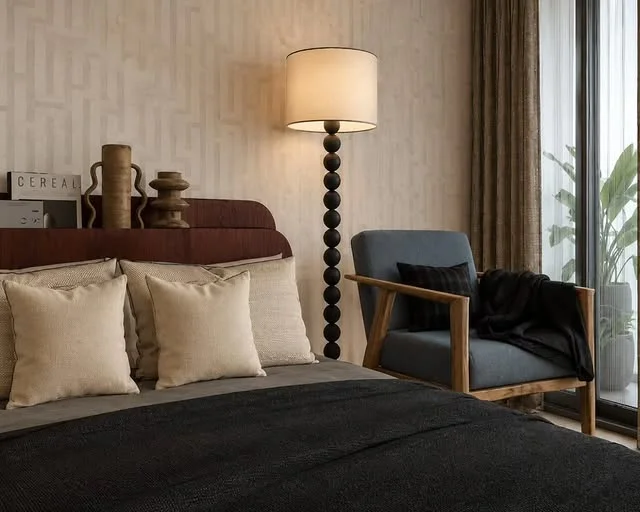
A dark wood headboard warms up a pale studio and gives the bed a solid anchor. The wood tone ties into the floor and the side tables, so the sleeping zone feels like one joined up corner.
- Match the headboard wood to the floor tone for a calm look.
- Keep the bedding light so the dark wood never dominates.
- Add one brass lamp on the nightstand to pick up the warm tones.
- Oil the wood twice a year so it keeps its colour.
Wood headboards suit rooms with pale walls, since the contrast is what makes the bed stand out.
Metal Divider Screen
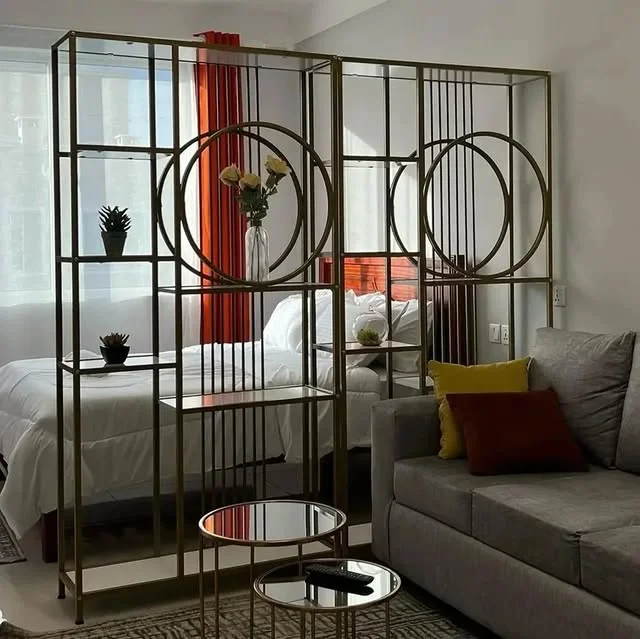
A metal divider with open cutouts splits the studio while keeping the light. The pattern in the metal adds decoration, and the shelves in the frame hold plants, books, or small lamps.
Before: An open studio where the bed is the first thing anyone sees from the front door.
After: The same room with a gold metal divider between the door and the bed, and the sleeping area stays private while the light flows through.
Metal dividers suit modern studios, since the slim frame reads as furniture, not a wall.
Built-In Storage Wall
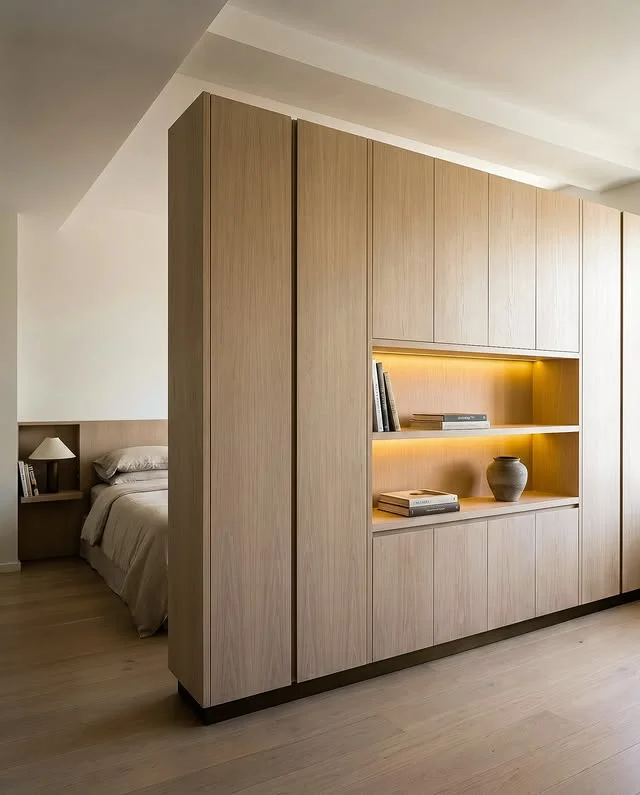
A floor to ceiling built in unit works as a wall, a wardrobe, and a shelf all at once. It divides the bedroom from the living area and swallows the clutter that usually spreads across a studio.
- Build the unit to the ceiling so no dust gathers on top.
- Mix open shelves with closed cupboards, so display and storage share the wall.
- Use pale wood or white fronts so the big unit never feels heavy.
- Leave one open shelf at eye level for books and a small plant.
Built in walls suit owners best, since the unit stays with the flat, but renters can fake the look with tall wardrobes in a row.
White Curtain Alcove
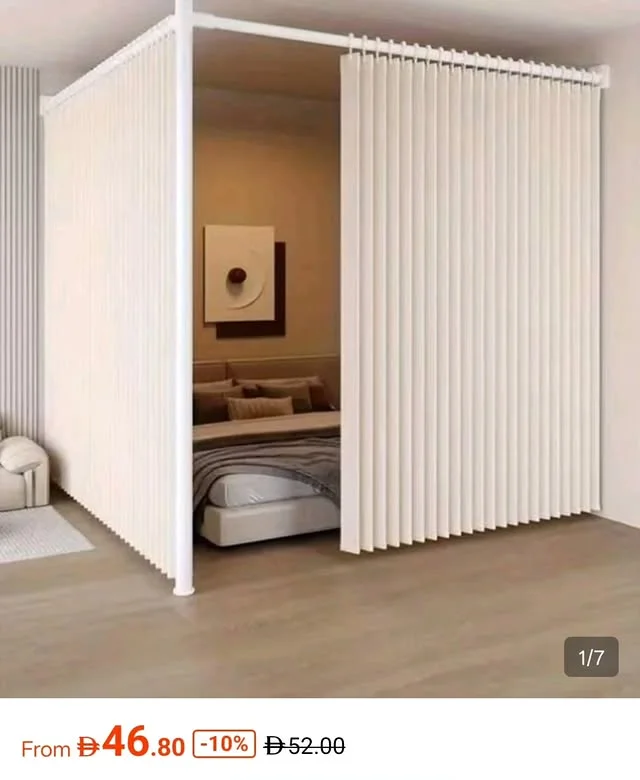
A white floor to ceiling curtain turns a corner into a sleeping alcove. The fabric softens the room, blocks the view of the bed, and lets daylight through, so the alcove never feels like a cupboard.
DO:
- Use a ceiling track so the curtain hangs straight from top to bottom.
- Pick a washable fabric, since curtains near a bed collect dust.
- Add a small rug inside the alcove to mark the floor.
DON'T:
- Use a thin curtain that shows the bed shape through it.
- Let the curtain drag on the floor where you walk, it trips people at night.
Scandinavian Zone Layout
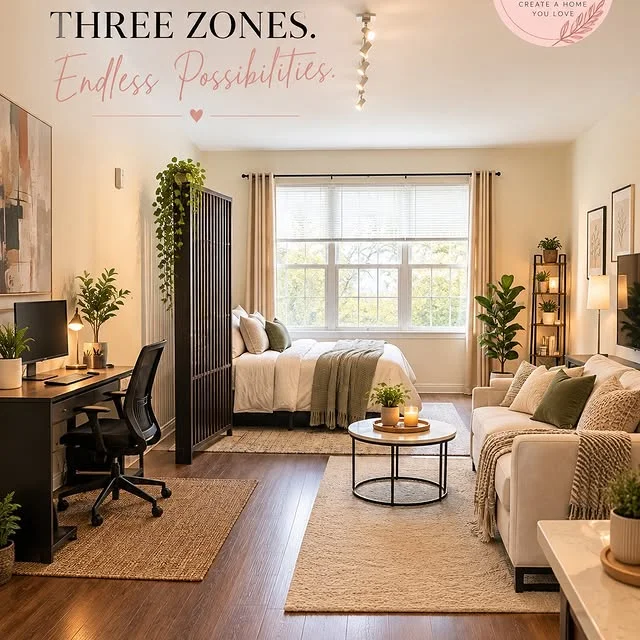
A Scandinavian layout zones a studio with furniture, not walls. The bed sits in the quiet corner, the sofa faces the window, and a rug and a shelf mark the line between them, all in pale wood and white.
- Put the bed in the darkest corner, since sleep needs the least light.
- Face the sofa toward the window so the living area gets the view.
- Use one rug per zone so each area has its own floor.
- Keep the palette to white, pale wood, and one soft colour.
Scandinavian zoning suits small studios because it needs no building work, only a clear plan and light furniture.
Night Glow Ambience
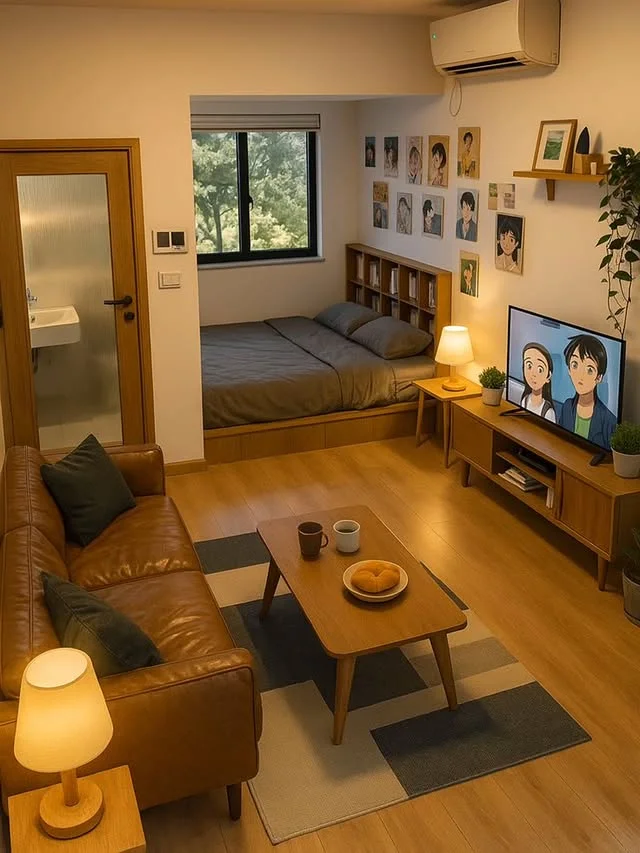
Warm lamps and candles turn the sleeping zone into a calm evening room. The low light tells the brain the day is over, and the bed becomes the brightest, warmest spot in the flat.
Quick Tip: Use two small lamps instead of one big ceiling light, and keep both on dimmers. A candle on the nightstand adds a flicker no bulb can match, but blow it out before you sleep.
Night lighting suits every studio, since it costs less than any divider and changes the whole mood.
Overhead Zone Plan
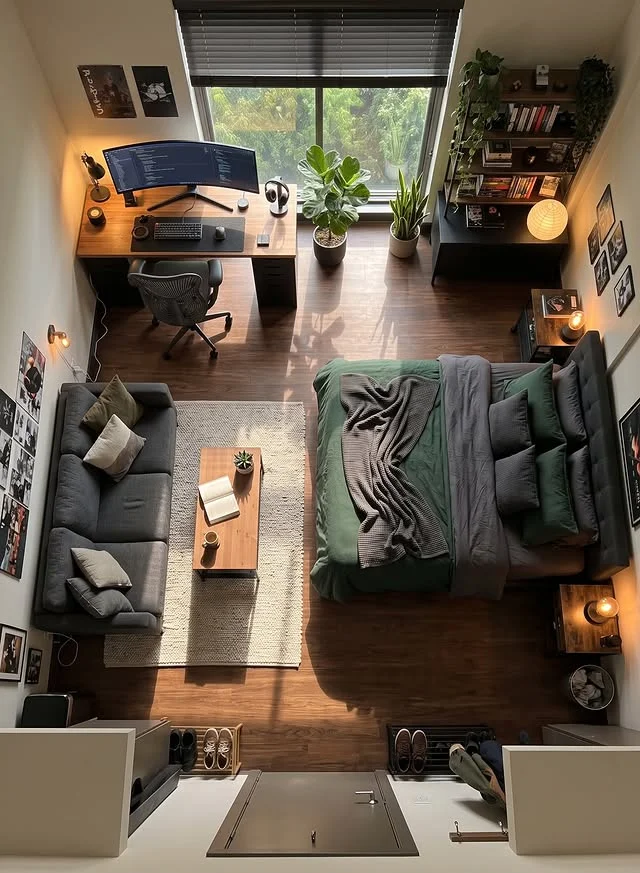
Planning the zones from above, on paper or in a simple app, saves more space than any single piece of furniture. A top down plan shows where the bed, the sofa, and the walkways actually fit before anything moves.
Cost: Free with paper and a tape measure, or 5 to 15 dollars a month for a room planning app.
Time: An evening to measure and sketch, then a weekend to move the furniture once.
A plan suits anyone who has moved a sofa three times, since the paper version moves faster than the real one.
Cozy Textile Layers
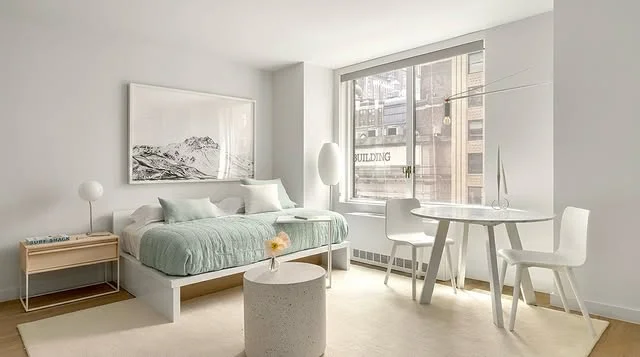
Layers of bedding, throws, and cushions make the sleeping zone feel like a proper bedroom, even in one open room. The textiles add colour, warmth, and softness, and they are the cheapest way to change the zone with the seasons.
- Layer a flat sheet, a duvet, and a folded throw so the bed looks dressed.
- Mix linen with cotton so the textures do not fight each other.
- Use two sleeping pillows and two decorative ones, no more.
- Swap the throw with the seasons for a fresh look twice a year.
Textiles suit every budget, since a new throw costs less than a new divider and changes the zone just as much.
Conclusion
These 25 ideas share one habit: mark the sleeping area clearly, then keep the rest of the room simple. A curtain, a shelf, a rug, or a raised platform is enough to give sleep its own corner. That is the heart of a good bedroom zone in a studio apartment: a clear line between rest and living, in a room that still feels open and easy to live in.
Start with one idea, live with it for a week, then add the next. The best zone is the one you stop noticing, because the bed is private, the light is soft, and the room finally feels like home.

5 Comments